


Herbicide-resistant weeds can turn a manageable field issue into an expensive, season-long challenge. Starting clean, using multiple effective modes of action and building residual control into the herbicide program can help protect yield and preserve weed-control options.
What Are Herbicide-Resistant Weeds?
By definition, herbicide resistance “is the ability of a weed biotype to survive a herbicide application, where under normal circumstances that herbicide applied at the recommended rate would kill the weed” (HRAC 2026).
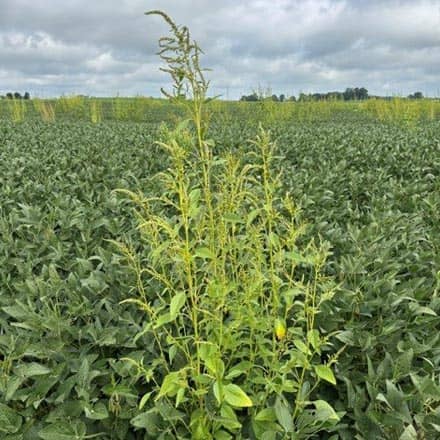
Several troublesome weed species in the United States have developed resistance to multiple herbicide modes of action, including:
- Italian ryegrass
- Kochia
- Palmer amaranth
- Barnyardgrass
- Jungle rice
- Horseweed
Why Is Herbicide Resistance Increasing?
Herbicide resistance existed before glyphosate-resistant crops were introduced in 1996. However, the adoption of crops that allowed over-the-top glyphosate applications changed how many weed-control programs were built. In some production systems, diverse herbicide programs shifted toward repeated use of a single broad-spectrum mode of action.
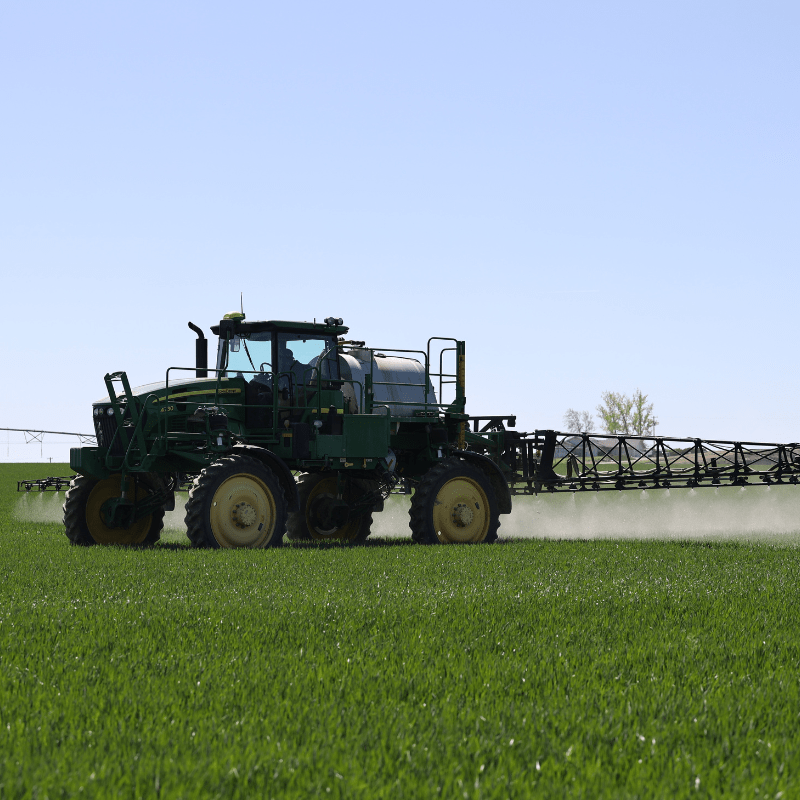
Weed management programs that depend heavily on one postemergence herbicide place continued selection pressure on weed populations. Susceptible weeds are controlled, while plants with resistance traits may survive and reproduce.
How Widespread Are Herbicide-Resistant Weeds?
The International Herbicide-Resistant Weed Database reported 540 unique cases of herbicide-resistant weeds globally. The database also reported resistance to 21 of the 31 known herbicide sites of action, involving more than 160 weed species across 100 crops. [weedscience.org]
How Herbicide-Resistant Weeds Affect Yield and Costs
Herbicide resistance can increase weed-control costs, complicate application timing and expose crops to damaging early-season competition.
In herbicide costs we see as much as a 3x increase in weed management cost in certain crops due in a large percentage to herbicide resistance.
Uncontrolled early-season competition from herbicide-resistant weeds can reduce yield by 20% to 60%, depending on the crop and weed biotype. Severe infestations may lead to the loss of part of a field or, in extreme situations, an entire field.
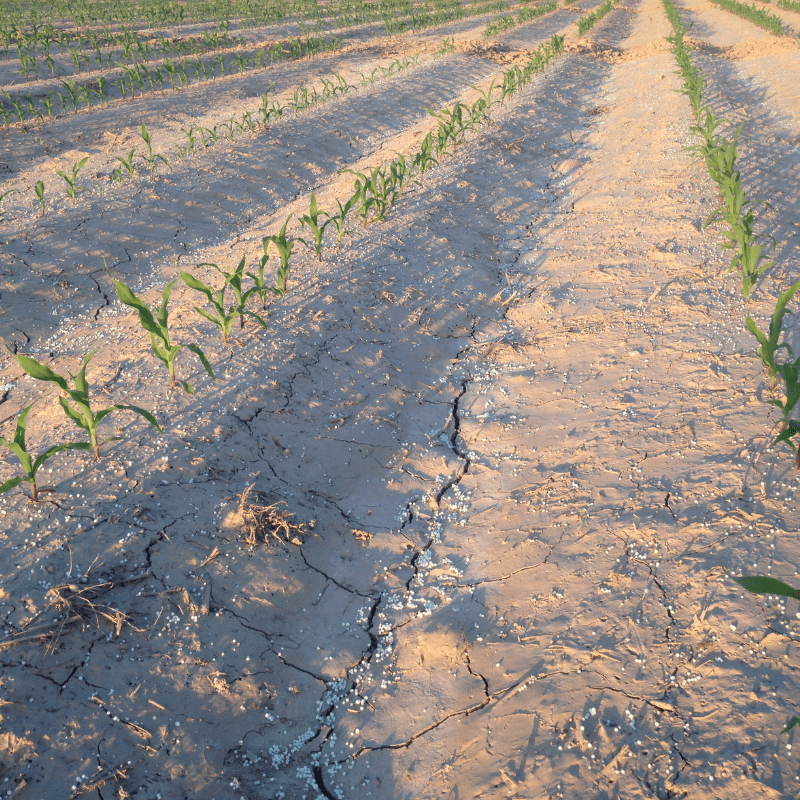
Once resistant weeds are established and growing, control options may be more limited. Residual (preemergence) herbicide programs greatly offset the cost, challenges, and impacts HR weeds impose while providing positive ROI on crop protection.